Breaking the Barrier to Entry: Automatic Annotation

One of the longest-running line items for incorporating computer vision into infrastructure has been the hidden labor costs behind labeling tens of thousands of images. Paid annotation and labelling costs roughly $1 per image, with each object requiring 200-300 images per class. IN 2023, the Wall Street Journal reported that "computer vision...is still too expensive for widespread use for self-checkout and inventory management."
For retailers, especially in food manufacturing and QSR, while the results would be staggering - 4X faster checkout, 40% increase in throughput, elimination of waste and slippage, the cost and time has proven prohibitive, beyond experimentation and small samples.

While using synthetic data and pre-trained models can provide automation for annotation and labeling, accuracy falls between 70-80%, and still requires "light touch" review by engineers checking for false positives and at times frame-by-frame review.
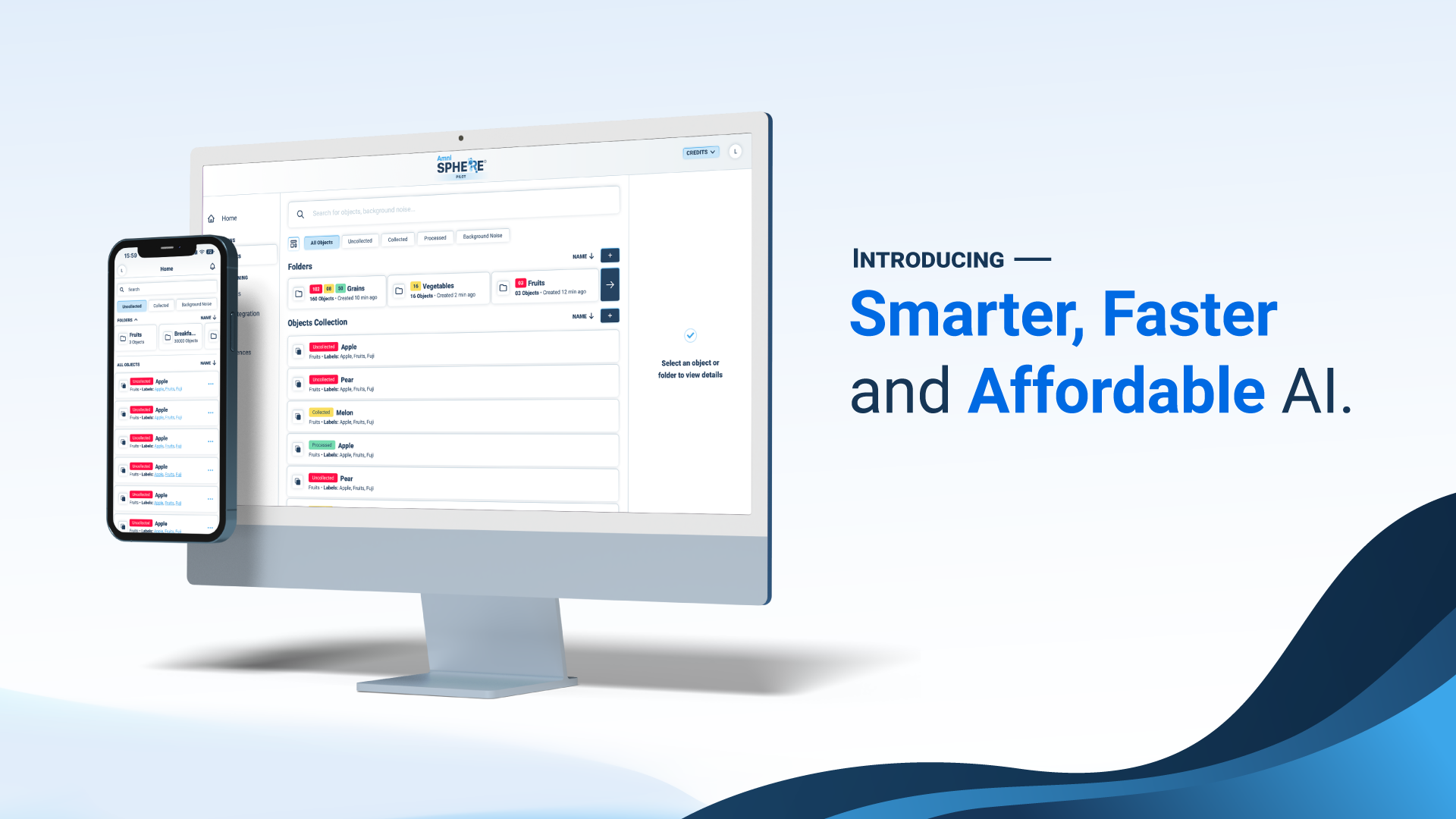
Amniscient's platform includes automatic annotation and data collection, without sacrificing accuracy, saving customers hundreds of thousands of dollars in labor and fast tracking timelines to days instead of years.
To learn more, talk to one of our experts:
.webp)